.jpg)
Stop Searching for a Tire Shop Near Me: Essential Mountain Prep
As a Denver local, you know the mountains are calling. Whether you are hitting the slopes in winter or camping in the summer, the Rockies offer incredible adventures. But before you load up the SUV and hit I-70, you need to make sure your vehicle is prepared for the grueling elevation changes and unpredictable weather. If you find yourself frantically searching for a tire shop near me before every mountain trip, it is time to rethink your strategy. Mountain driving puts immense stress on your vehicle, and your rubber is the only thing connecting you to the road. Let us dive into some essential mountain driving tire safety tips to keep you and your family safe on those steep grades.
Tread Depth: Your First Line of Defense on Steep Grades
Mountain roads are unforgiving. When you are navigating switchbacks or braking on a steep descent, your tires need maximum grip. The first thing you should check before leaving Denver is your tread depth. The classic penny test is a great place to start. Insert a penny into your tread grooves with Lincoln's head pointing down. If you can see the top of his head, your tread is dangerously low, and it is time to look for new tires. While it might be tempting to search for used tires near me to save a quick buck before a trip, mountain driving is not the place to compromise on safety. Used rubber often has uneven wear or hidden structural damage that can fail under the stress of high-speed cornering or heavy braking on a descent. Instead, invest in a quality new set. You do not even have to visit a traditional tire shop to find great options.
Choosing the Right Rubber: All-Season vs. Dedicated Winter
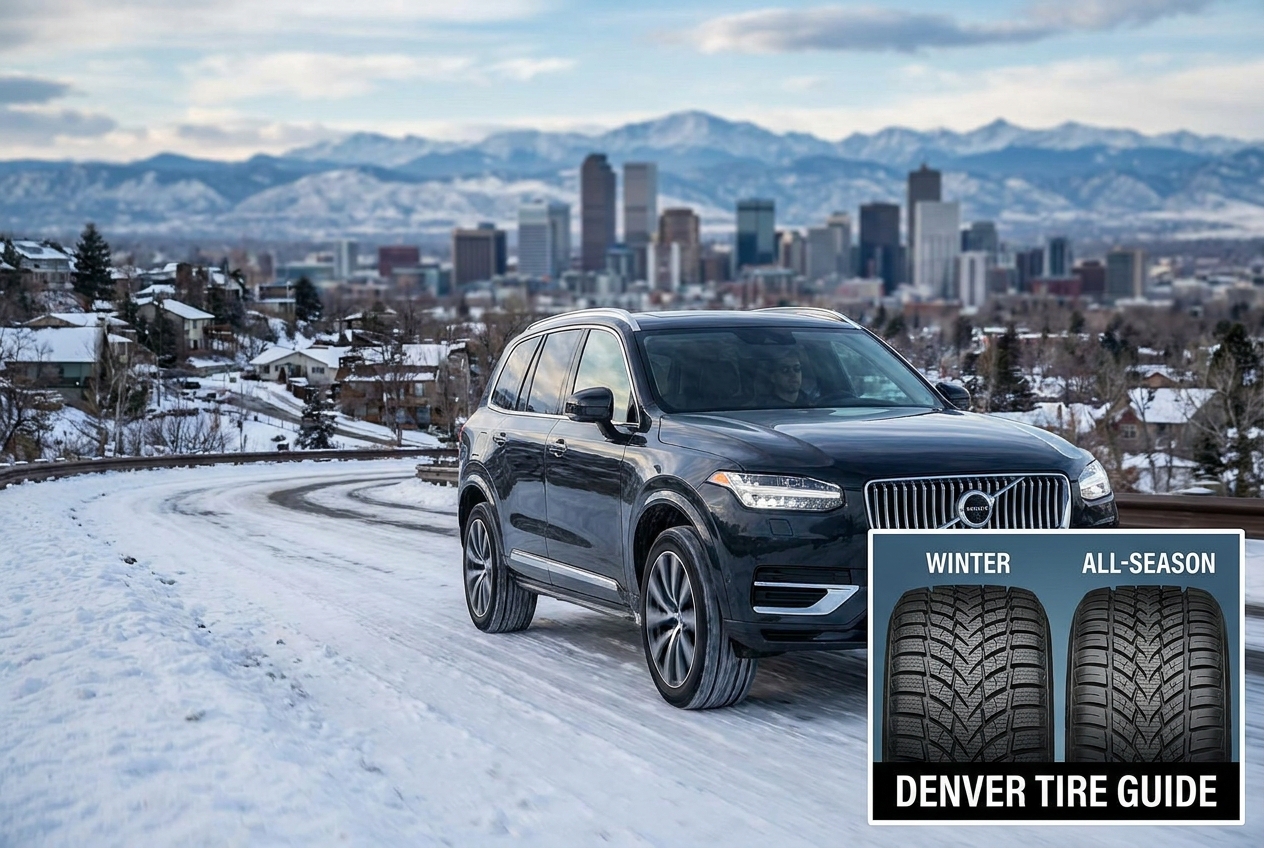
Denver weather is notoriously unpredictable, and the mountains are even worse. A sunny 60-degree day in the city can easily turn into a whiteout blizzard by the time you reach the Eisenhower Tunnel. This makes tire selection absolutely critical. Many Denverites rely on all-season tires for year-round driving. While high-quality all-seasons are fantastic for mild weather and light snow in the metro area, they often fall short on icy mountain passes. If you are a frequent skier or snowboarder, you should seriously consider investing in the best winter tires you can afford. Winter tires are engineered with a specialized rubber compound that stays flexible in freezing temperatures, providing superior traction on ice and packed snow. When the chain law goes into effect on I-70, having the right tires can mean the difference between arriving safely at your cabin or ending up in a ditch.
Tire Pressure and Altitude Fluctuations
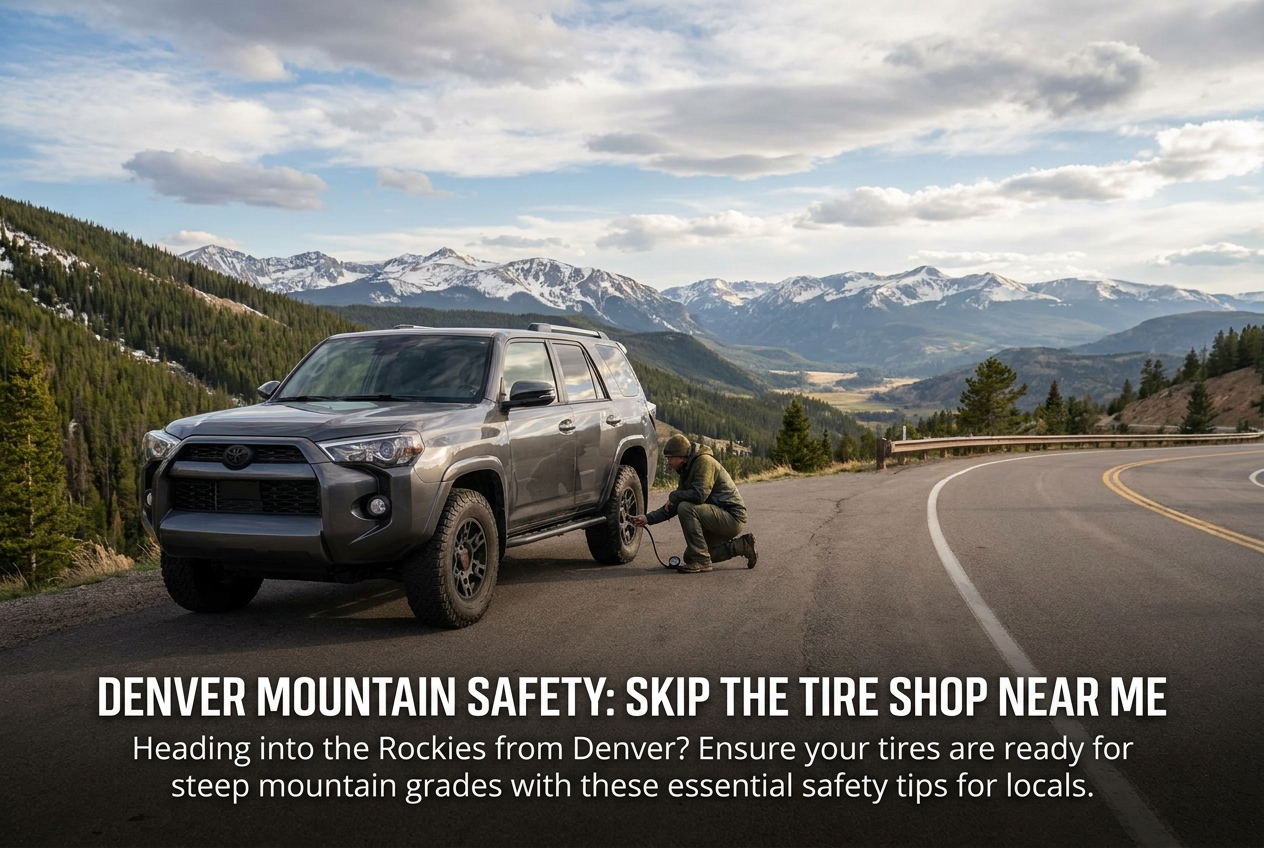
One of the most overlooked aspects of mountain driving is tire pressure. When you drive from Denver at 5,280 feet up to a mountain pass over 11,000 feet, the atmospheric pressure drops significantly. Additionally, the temperature usually plummets. As a general rule of thumb, tire pressure drops about one to two PSI for every ten-degree drop in temperature. This combination of altitude and temperature change can drastically alter your tire pressure. Under-inflated tires generate excessive heat, reducing fuel efficiency and increasing the risk of a blowout. Over-inflated tires reduce your contact patch with the road, compromising handling and braking capability. Always check your tire pressure when the tires are cold, preferably before you start your ascent, and adjust them according to your vehicle manufacturer specifications. Here are a few quick steps to ensure optimal pressure:
- Check your tire pressure in the morning before the sun heats up the rubber.
- Keep a reliable digital tire pressure gauge in your glovebox.
- Do not forget to inspect your spare tire pressure as well.
Alignment, Balancing, and Pre-Trip Maintenance
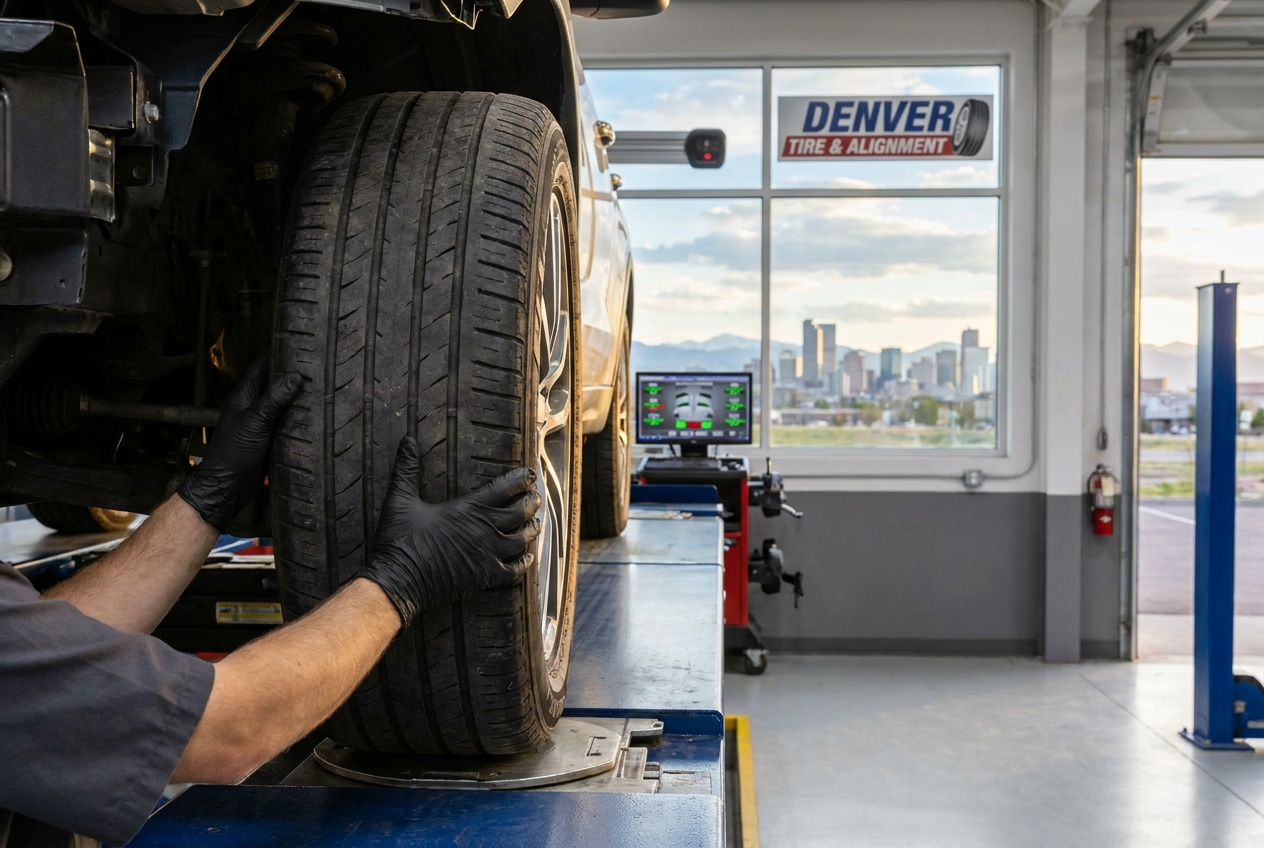
Your tires do not work in isolation. Their performance is directly tied to the health of your vehicle suspension and steering systems. If your car is pulling to one side or your steering wheel is vibrating at highway speeds, you likely have an alignment or balancing issue. Driving on misaligned wheels not only ruins your handling on twisty mountain roads but also causes rapid, uneven tire wear. If you notice these symptoms, you might be tempted to search for tire alignment near me or tire repair near me. Addressing these issues before you head into the mountains is crucial. A small puncture from a nail picked up on Denver city streets might hold air fine at lower speeds but could lead to a catastrophic failure under the intense pressure and heat of mountain driving. Have any slow leaks professionally repaired or the tire replaced entirely before your trip.
On-Site Tires Mobile: Bringing Service and Safety to Your Door
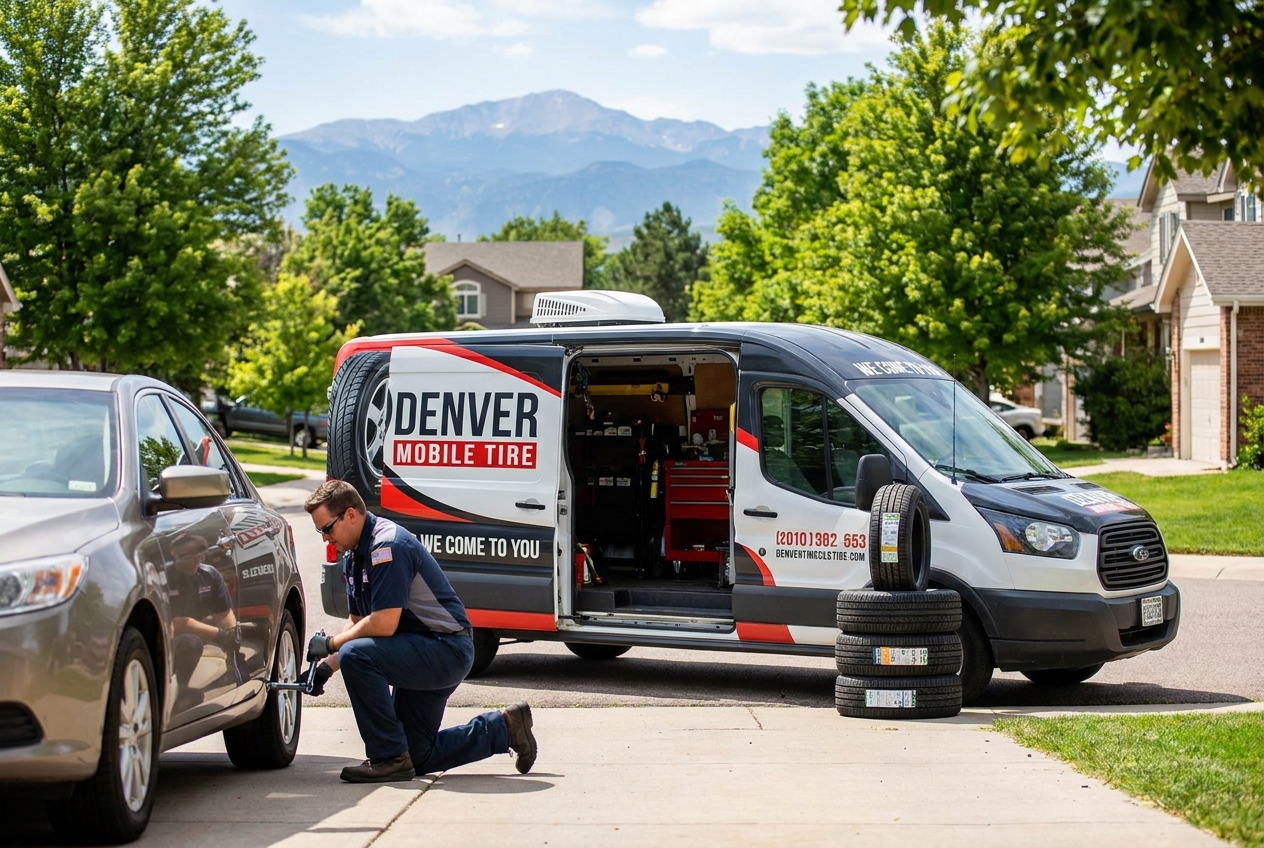
Preparing for a mountain getaway should be exciting, not stressful. You do not need to waste your Saturday sitting in a waiting room when you could be packing your gear. Stop looking for tires for sale at crowded brick-and-mortar stores. At On-Site Tires Mobile, we bring the expertise of a premium tire shop directly to your driveway in Denver. Whether you need a fresh set of winter rubber, an emergency repair, or just want to take advantage of our exclusive tire deals, our mobile experts handle it all on your schedule. We ensure your vehicle is mountain-ready with professional installation and balancing right at your home or office. Do not leave your safety to chance on those steep Rocky Mountain grades. Contact On-Site Tires Mobile today and let us get your vehicle ready for the next great Colorado adventure.